How Artificial Intelligence Fuels the Future: Unleashing Creativity Through Technology
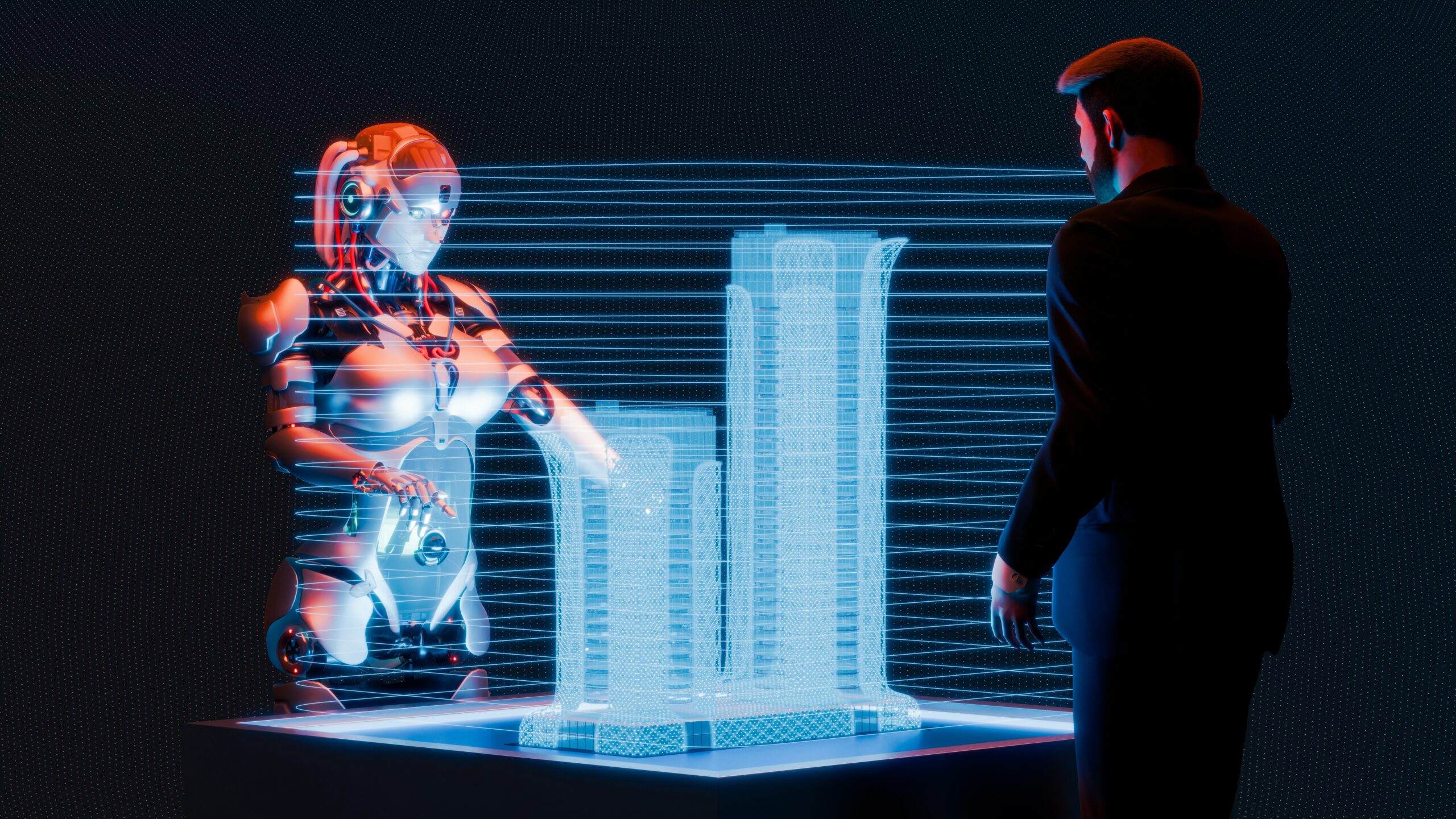
In the past, creativity seemed like a sacred realm reserved only for humans. Whether it was painting, composing music, writing stories, or designing innovative solutions, people believed that machines could never match the imagination and emotional depth that drive human creativity. But AI is rapidly reshaping this belief. As technology evolves, it becomes clear that artificial intelligence is not just a tool for automation but also a powerful partner in the creative process.
From generating original artwork to composing emotionally rich music, AI is stepping into spaces once reserved for creativity alone. This transformation isn’t about replacing human input. Instead, it’s about enhancing it. Artists, writers, and designers now collaborate with algorithms to create work that neither could achieve on their own. The future of creativity is no longer strictly human—it’s becoming a harmonious blend of artistic intuition and machine learning.
Bridging Creativity and Technology
The intersection of creativity and technology has always sparked innovation, but with AI entering the scene, that spark has become a flame. Software programs powered by neural networks can analyze thousands of artistic styles, understand visual patterns, and generate original designs. These capabilities allow creators to experiment beyond their usual boundaries, pushing the limits of what’s possible.
In music, for example, AI-driven composition tools help musicians generate melodies or predict harmonies based on emotional cues. Writers use AI to brainstorm plots, enhance grammar, or simulate character dialogue. The future of AI in creative fields isn’t about machines taking over; it’s about machines empowering people to think bigger, faster, and more imaginatively than ever before.
AI as a Creative Partner, Not a Competitor
One of the biggest fears surrounding AI is that it might one day replace human workers, especially in fields requiring creativity. However, the reality looks far more collaborative. AI doesn’t steal creativity—it amplifies it. Think of AI as a digital co-pilot, offering suggestions, testing ideas, and freeing up time for creators to focus on the emotional and intellectual aspects of their craft.
Instead of competing with artists or designers, artificial intelligence works alongside them. For instance, graphic designers use AI to automate repetitive tasks, such as background removal or layout generation, freeing up more time to focus on visual storytelling. In fashion, AI helps forecast trends, enabling designers to tailor collections to evolving consumer preferences. The synergy between humans and AI fuels a future where innovation is both faster and more human-centered.
Transforming Industries Through Innovation
Creative industries aren’t the only ones benefiting from AI. The influence of artificial intelligence extends into marketing, film, architecture, and even education. In film production, AI helps generate storyboards, automate video editing, and predict audience responses based on data analytics. Architects are using generative design tools that harness AI to explore countless design options based on performance criteria.
Meanwhile, educators are introducing AI-powered platforms that create personalized learning experiences, adapting content to fit each student’s learning style. These innovations not only streamline workflows but also allow people to focus on more strategic, impactful tasks. The magic lies in how AI bridges gaps between raw data and human insight, delivering smarter, more creative outcomes across every field.
The Democratization of Creative Expression
Perhaps the most exciting part of AI in the creative space is its potential to democratize who gets to create. Previously, technical limitations or a lack of access to resources could hinder someone’s ability to express their creativity. With AI tools becoming more accessible, individuals from all backgrounds can now design graphics, compose songs, or produce videos, even without formal training.
Whether you’re a student exploring animation or a small business owner creating marketing content, AI tools lower the barrier to entry. They allow everyone to participate in the creative economy, regardless of skill level. This shift not only empowers more voices but also leads to a richer, more diverse tapestry of ideas, innovations, and artistic expression in the global community.
Ethical Responsibility and Human Intuition
As powerful as AI is, it lacks the moral compass and emotional intelligence that humans naturally possess. While machines can analyze patterns or predict outcomes, they cannot grasp the nuances of human experience or the ethical implications of their outputs. This is why human oversight remains essential. Artists, developers, and organizations must use AI responsibly, guiding it with purpose and integrity.
That balance—between automation and intuition—will shape the next generation of innovation. The future of artificial intelligence depends on people who understand both technology and humanity. It’s not enough to develop more intelligent machines. We must also cultivate deeper insight into how those machines affect culture, emotion, and ethics. As we continue to advance, it becomes clear that the true power of AI lies not just in its logic but also in its ability to serve human creativity with sensitivity and thoughtfulness.
How AI Inspires Human Imagination
Far from dulling creativity, AI often sparks it. By producing unexpected outputs or patterns, AI challenges humans to think differently. These “happy accidents” inspire new artistic directions, unconventional designs, or entirely fresh ideas. In a sense, AI becomes a muse—a tool that nudges us beyond comfort zones and into uncharted creative territory.
Writers may use AI-generated dialogue to overcome writer’s block. Artists might remix AI-made designs into their signature style. Musicians can blend algorithmically generated rhythms with traditional melodies. This cycle of human-AI interaction creates a feedback loop in which each inspires the other, fostering innovation that extends beyond what either could produce alone.
A Glimpse into the Creative Future
Looking ahead, the relationship between artificial intelligence and creativity will only deepen and become more complex. As machine learning models improve, they’ll become more intuitive, more context-aware, and better at reflecting human emotion in their output. This evolution means that the tools creatives use today may soon become personalized creative companions that adapt to each individual’s unique style and vision.
This isn’t a replacement for the artist. It’s an evolution of the canvas. The future of AI lies not in copying human imagination but in collaborating with it. When creativity meets code, the result is not a cold, mechanical product—it’s a warm, evolving expression of what technology and humanity can build together.
Building a Creative Tomorrow with AI
The world is entering a new era where AI is more than just a tool—it’s a partner in shaping the creative frontier. As it continues to merge with human insight, imagination, and emotion, the innovation potential becomes endless. From personal projects to industry-changing breakthroughs, AI empowers creators to dream bigger and deliver more impactful work than ever before.
Rather than fearing its rise, we should embrace the creative possibilities AI offers. By combining the strengths of both man and machine, we unlock a future filled with richer stories, bolder designs, and groundbreaking innovations. AI doesn’t just power this future—it’s inspired by it.
Additional Information
- Blog
- artificial intelligence, design graphics, groundbreaking innovations
- Toby Wagstaff