Digital Innovation in Environmental Conservation: How Technology Is Protecting the Planet
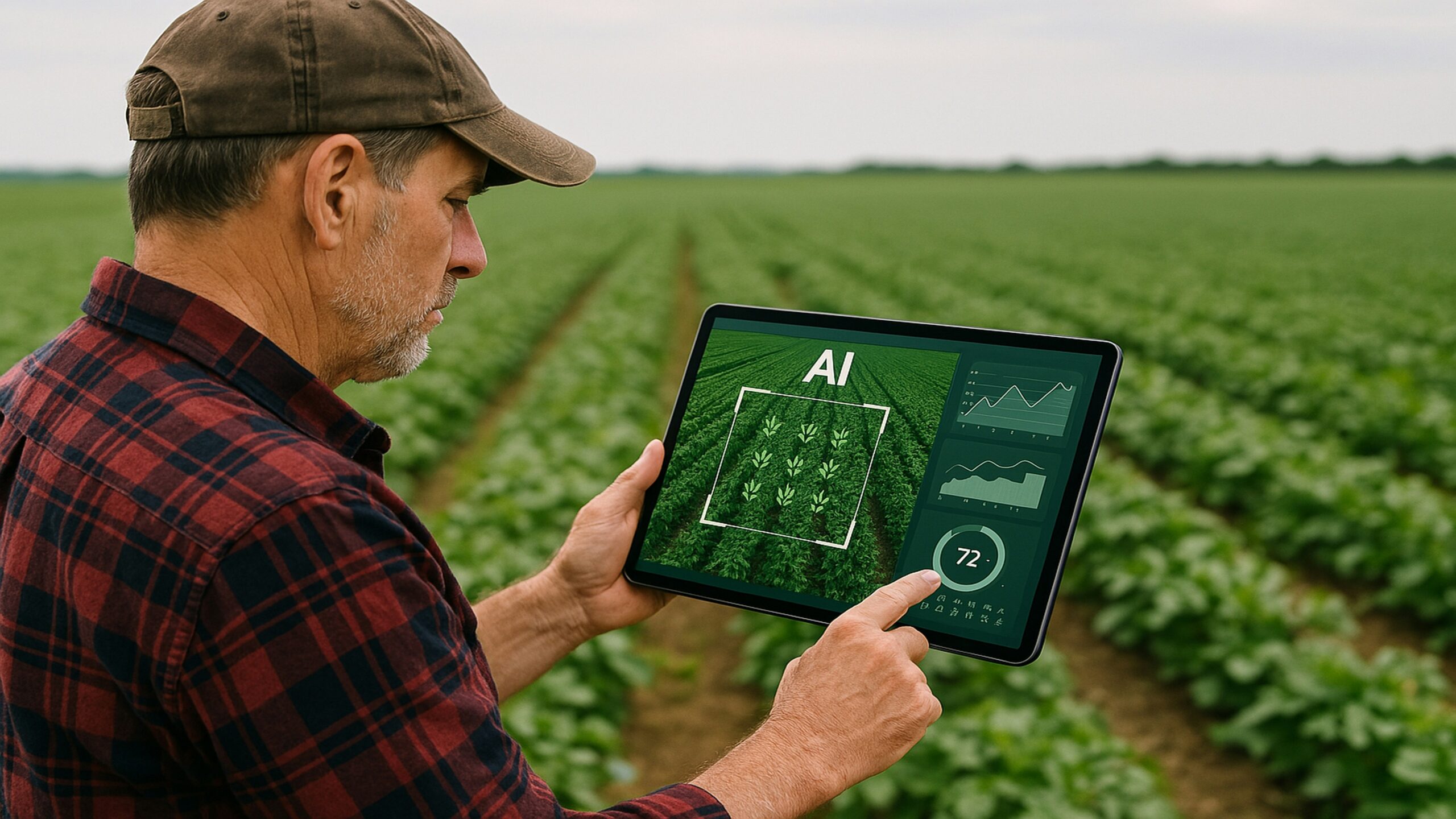
Digital innovation in environmental conservation is changing how people protect nature in a fast-moving world. As climate risks grow, technology now helps governments, scientists, and communities act faster and smarter. Moreover, digital tools allow better planning, clearer data, and wider public involvement. As a result, conservation work no longer depends only on manual surveys or slow reports. Instead, real-time insights guide decisions every day. Therefore, digital systems now support forests, oceans, wildlife, and cities simultaneously. This article explores how digital innovation in environmental conservation drives real impact and shapes a cleaner, safer future for the planet.
Smart Data and Environmental Monitoring
Digital innovation in environmental conservation begins with better data collection. Sensors, satellites, and cloud systems now track air, water, and soil conditions in real time. As a result, scientists can detect pollution early and respond quickly. Moreover, smart monitoring reduces human error and lowers long-term costs. Instead of waiting months for reports, teams can see trends instantly and adjust plans. Therefore, conservation groups gain stronger control over fragile ecosystems.
Meanwhile, open data platforms allow global sharing of environmental information. Governments and NGOs now collaborate using shared dashboards and live maps. Consequently, transparency improves trust and policy outcomes. However, data alone is not enough without clear analysis. That is why digital tools also use simple visuals to support fast decisions. As a result, digital innovation in environmental conservation turns raw data into practical action.
Artificial Intelligence for Climate Solutions
Artificial intelligence is playing an increasingly important role in digital innovation for environmental conservation. AI systems analyze vast datasets faster than humans ever could. Therefore, they help predict climate risks, deforestation, and species loss. Moreover, AI models support early warnings for floods, fires, and droughts. As a result, communities gain more time to prepare and reduce damage.
At the same time, AI improves conservation planning. Machine learning tools identify the best locations for protected areas and clean energy projects. Meanwhile, AI also tracks illegal logging and fishing through image recognition. Consequently, enforcement becomes more effective and less costly. Digital innovation in environmental conservation, powered by AI, brings precision and speed to global climate efforts.
Internet of Things and Sustainable Ecosystems
The Internet of Things supports digital innovation in environmental conservation by connecting devices across ecosystems. Smart sensors now monitor forests, rivers, and wildlife habitats around the clock. As a result, conservation teams receive instant alerts when conditions change. Moreover, these systems work in remote areas where human access is limited. Therefore, protection efforts become more consistent and reliable.
Meanwhile, IoT technology supports sustainable farming and water management. Smart irrigation systems reduce waste and protect soil health. Consequently, farmers use fewer resources while maintaining strong yields. However, these tools also help maintain balance in nearby ecosystems. Digital innovation in environmental conservation, enabled by IoT, links human needs to nature’s limits.
Renewable Energy and Digital Infrastructure
Renewable energy depends heavily on digital innovation in environmental conservation. Smart grids manage solar and wind power more efficiently. As a result, energy systems reduce waste and improve reliability. Moreover, digital forecasting tools predict energy supply based on weather patterns. Therefore, clean energy becomes easier to scale across regions.
In addition, digital platforms support energy storage and demand control. Smart meters help users track and reduce energy use meanwhile, utilities balance loads without relying on fossil fuels. Consequently, emissions drop while service quality improves. Digital innovation in environmental conservation strengthens the shift toward a low-carbon economy.
Conservation Technology and Wildlife Protection
Digital innovation in environmental conservation also transforms wildlife protection. GPS tracking collars and drones monitor animal movement without stress. As a result, researchers learn more about migration and habitat needs. Moreover, digital tools reduce the need for invasive methods. Therefore, animals remain safer during studies.
At the same time, conservation technology helps fight poaching. Camera traps and AI-based alerts detect threats quickly. Meanwhile, rangers receive real-time updates on mobile devices. Consequently, response times improve and wildlife survival increases. Digital innovation in environmental conservation gives endangered species a better chance to recover.
Community Engagement Through Digital Platforms
Community involvement grows stronger through digital innovation in environmental conservation. Mobile apps and social platforms educate users about local environmental issues. As a result, people understand how daily choices affect nature. Moreover, digital storytelling inspires action through clear and simple messages. Therefore, awareness spreads faster than ever before.
Meanwhile, citizen science platforms allow public data collection. Users report pollution, wildlife sightings, and climate impacts. Consequently, conservation projects gain wider coverage and support. However, these tools also build trust between experts and communities. Digital innovation in environmental conservation empowers citizens to become active partners.
The Future of Technology and Planet Protection
The future of digital innovation depends on ethical and inclusive design. Technology must serve both people and ecosystems. Therefore, developers now focus on transparency and fairness. Moreover, low-cost tools help developing regions join global efforts. As a result, conservation becomes more balanced worldwide.
Looking ahead, collaboration will drive success. Governments, businesses, and communities must work together using shared digital systems. Meanwhile, education will ensure long-term impact. Consequently, digital innovation in environmental conservation will continue shaping a resilient planet for future generations.
Additional Information
- Blog
- Toby Wagstaff