AI-Powered Writing: How Generative Models Are Shaping Digital Content
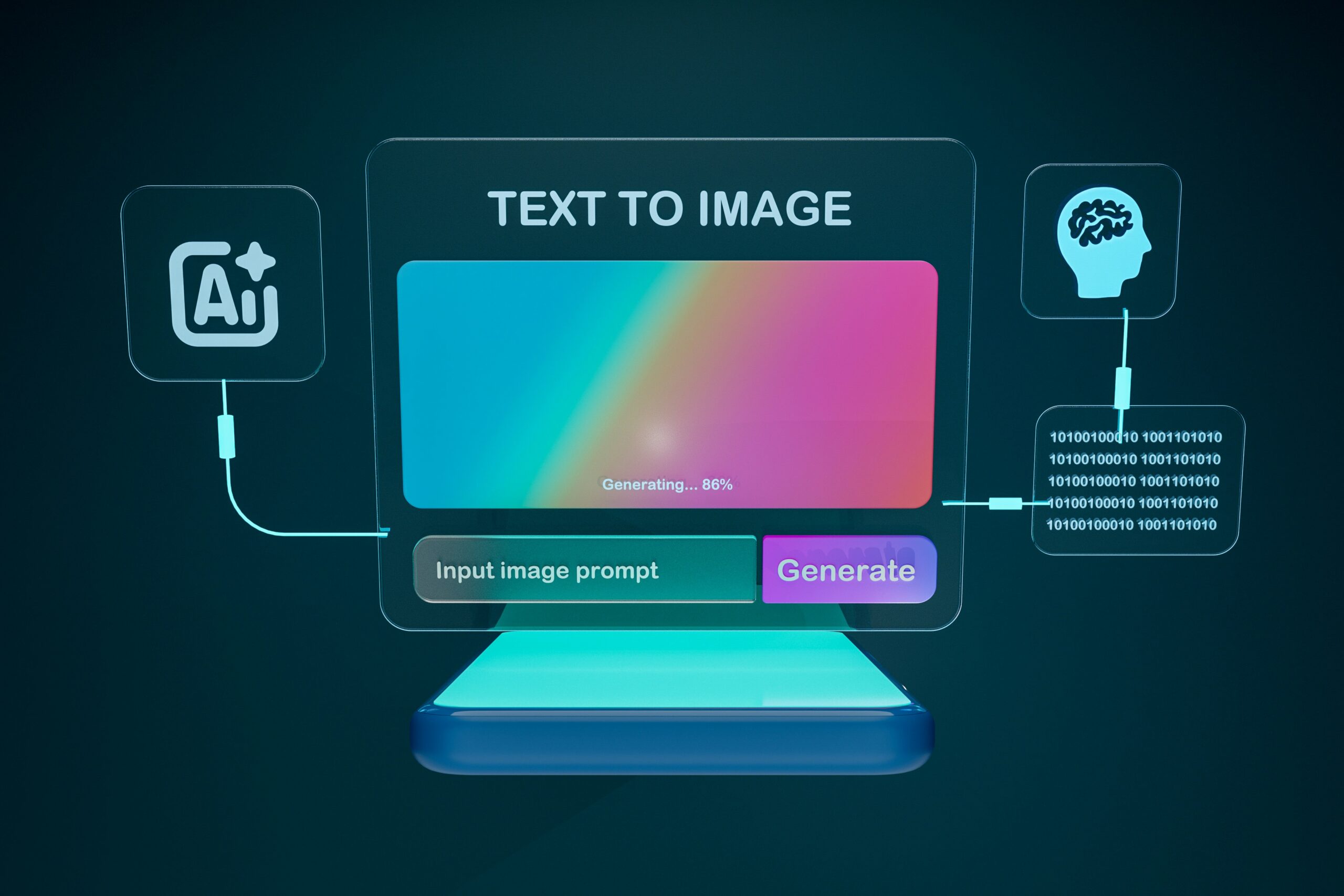
Artificial intelligence is changing how people write and publish online content. Writers once spent hours researching topics, drafting ideas, and editing their work before publishing. Today, AI-powered writing tools help simplify many of those steps. These tools use generative models that learn patterns from large text collections. As a result, they can create structured and meaningful content in seconds.
Digital content now plays a central role in communication. Businesses publish blog posts, social media updates, product descriptions, and newsletters every day. Content creators must keep up with this demand while maintaining quality. AI writing technology helps bridge this gap by supporting writers at different stages of the creative process.
The rise of generative AI does not remove the role of human creativity. Instead, it reshapes the writing workflow. Writers can now focus more on ideas and storytelling, while AI handles repetitive tasks. This partnership between humans and intelligent tools is transforming digital publishing.
The Rise of AI in Content Creation
Digital platforms have expanded the need for written communication. Websites, blogs, and social media channels require consistent updates to remain relevant. Businesses compete for attention in crowded online spaces. High-quality content helps them connect with readers and customers.
AI-powered writing tools emerged as a solution to this growing demand. Generative models analyze patterns in language and learn how sentences connect. When a writer provides a topic or prompt, the system produces text that follows those patterns. The result is a structured draft that can serve as a starting point.
This technology allows writers to move quickly from idea to draft. Instead of spending long periods brainstorming, creators receive suggestions that guide their work. The writing process becomes faster while still leaving room for human editing and refinement.
How Generative Models Understand Language
Generative AI models rely on large collections of written material. They study how words appear together and how ideas form within sentences. Over time, these systems learn to recognize grammar, tone, and context. When given a prompt, they use that knowledge to generate text that matches the topic.
The strength of generative models lies in their ability to recognize patterns. They do not think like humans, but they can predict how language should flow. This allows them to produce paragraphs that read naturally and follow a logical structure.
Writers use these tools to explore ideas and develop content quickly. The generated text may not be perfect, but it often provides a strong foundation. Writers can then adjust the tone, add examples, and shape the message to align with their goals.
Faster Workflows for Writers and Marketers
Speed is one of the biggest advantages of AI-powered writing. Content creators often work with tight deadlines. Blog posts, marketing campaigns, and newsletters require regular updates. AI tools help writers create drafts much faster than traditional methods.
A writer can enter a short prompt and receive a structured response within seconds. This draft may include headings, paragraphs, and key ideas. The writer then reviews the content and adds additional details or edits.
Marketing teams also benefit from this faster workflow. They can produce product descriptions, social media captions, and email content more efficiently. AI helps reduce the time spent on repetitive writing tasks. As a result, teams can focus on strategy and creativity.
Improving Editing and Content Quality
Editing plays an important role in writing. Even skilled writers make mistakes or overlook small issues. AI editing tools assist by reviewing grammar, punctuation, and sentence structure. They highlight areas that need improvement.
These tools also help improve readability. Short sentences and clear language make content easier to understand. AI systems analyze text and suggest ways to simplify complex phrases or remove unnecessary words.
Writers remain in control of the final message. They decide which suggestions to accept and how to refine the content. AI provides guidance that helps polish the writing before publication.
Helping Businesses Maintain Consistent Content
Many companies rely on content to build relationships with their audience. Blogs, articles, and guides help educate readers and build trust. However, producing content regularly can be difficult for small teams.
AI writing tools help businesses maintain consistent publishing schedules. These tools assist with drafting and editing, which reduces the workload for content teams. Writers can produce more articles without sacrificing quality.
Consistency also improves search visibility. Search engines often reward websites that regularly publish helpful, relevant content. AI tools support this goal by helping writers keep up with content demands.
The Importance of Human Creativity
Despite the progress of AI technology, human creativity remains essential. Generative models can create structured text, but they lack real experiences and emotions. Writers bring those elements into their work.
A skilled writer adds personality, storytelling, and perspective. These qualities make content engaging and memorable. AI tools help with structure and efficiency, but humans shape the deeper meaning behind the words.
This balance between technology and creativity forms the future of digital writing. Writers can rely on AI to assist with technical tasks while focusing on ideas that connect with readers.
Challenges and Responsible Use
AI-powered writing also introduces important challenges. One concern involves accuracy. Generative models rely on patterns from data, which means they may sometimes produce incorrect information. Writers must review and verify content before publishing.
Another challenge involves originality. Content creators must ensure that their work remains unique and valuable. AI should serve as a support tool rather than a replacement for thoughtful writing.
Responsible use of AI requires careful editing and fact-checking. When used properly, AI tools enhance productivity while maintaining quality and credibility.
The Future of AI-Powered Content
AI writing technology continues to evolve. New generative models improve their ability to understand context and produce clear language. Future tools may offer deeper research support and better customization for different audiences.
As these systems advance, they will likely become part of everyday writing workflows. Writers will use them to brainstorm ideas, draft content, and refine it quickly. Publishing processes will become more efficient without removing human creativity.
The future of digital content will depend on collaboration between humans and intelligent systems. Writers will continue to lead the creative direction, while AI tools assist with speed and structure.
AI-powered writing is not simply a technological trend. It represents a shift in how content is produced and shared online. By combining human insight with intelligent tools, creators can produce meaningful digital content that informs, inspires, and connects with readers.
Additional Information
- Blog
- intelligent tools, online content, sentence structure
- Toby Wagstaff